Delayed response
A pause or hesitation when shifting into drive or reverse.
Find the real problem
Today’s transmissions combine mechanical, hydraulic and electronic systems. Accurate transmission diagnostics identify which system is causing the symptom before repair begins.
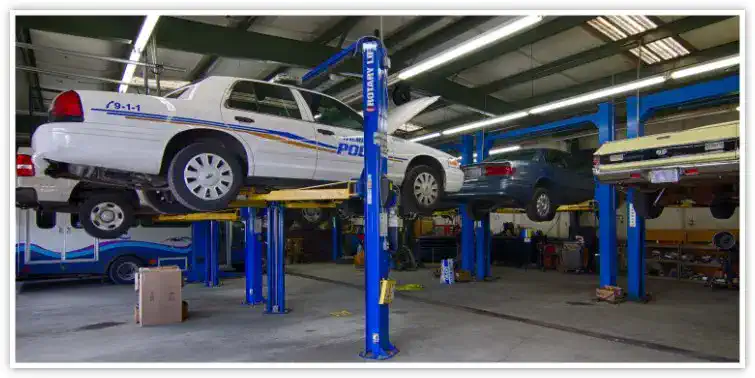
Diagnosis before decisions
A transmission component may be worn or damaged—but a sensor, control module, wiring issue or fluid problem can create similar symptoms.
That is why we do not begin with assumptions. We listen to what the vehicle is doing, inspect the relevant systems and use diagnostic testing to narrow down the source. The result is a more useful recommendation and a better chance of addressing the problem before it grows.
Signs worth checking
Early attention can help prevent a smaller concern from becoming a larger repair.
A pause or hesitation when shifting into drive or reverse.
A rough, hard or inconsistent feel as the vehicle changes gears.
Red or reddish-brown fluid appearing where the vehicle is parked.
A check-engine or transmission warning light that stays illuminated.
Grinding, whining, roaring or clunking while driving or shifting.
The engine cuts off or struggles when the vehicle comes to a stop.
What to expect
Good diagnostics are not a single scan or a quick guess. They are a sequence of checks guided by experience.
We gather the details that can help isolate when and how the problem appears.
We examine fluid condition, electronic information and mechanical operation as appropriate.
We walk through what we found and what the recommended next step means for your vehicle.
Talk with a transmission specialist
Call the shop or request an appointment. We'll help you decide the right next step.